Can pregnant women eat Soy-Marinated Salmon? A detailed guide
Useful Tips
|
09 august, 2026
Pregnant women are generally advised not to eat Soy-Marinated Salmon because it is made with raw salmon marinated in soy sauce without being cooked. The main concerns are foodborne bacteria such as Listeria and parasites that may be present in raw fish, both of which can pose risks during pregnancy. Cooked salmon is a safer option while still providing plenty of valuable nutrients.
In this article, Co Thao Tom Ca explains why this dish may not be suitable during pregnancy, what to consider after giving birth, how to enjoy salmon safely while still getting its nutritional benefits, and when you may be able to enjoy your favorite Soy-Marinated Salmon again. The information below is based on recommendations from health authorities.
 Can pregnant women eat Soy-Marinated Salmon?
Can pregnant women eat Soy-Marinated Salmon?
Pregnant women are generally advised to avoid Soy-Marinated Salmon throughout pregnancy. The reason comes down to how the dish is prepared: raw salmon is marinated in soy sauce, becoming deeply infused with flavor without being cooked with heat. This places it in the same category as sashimi and other raw fish dishes that pregnant women are commonly advised to avoid.
Soy-Marinated Salmon differs from pan-seared or steamed salmon in one essential way: heat. Cooking can kill most harmful bacteria and parasites, while marinating raw fish cannot. That distinction plays an important role in food safety for both mother and baby.
So whether you are wondering if Soy-Marinated Salmon is safe during pregnancy, during the fourth month of pregnancy, or at another stage, the general recommendation remains the same: choose cooked salmon instead.
Why is Soy-Marinated Salmon not recommended during pregnancy?
Soy-Marinated Salmon may pose two key food-safety risks during pregnancy: Listeria contamination and parasites associated with raw fish. Neither can necessarily be detected by sight, smell, or taste.
Risk of Listeria infection
Listeria is particularly concerning during pregnancy because the infection can affect the developing baby. It has been associated with serious pregnancy complications, including miscarriage, stillbirth, premature delivery, and infection in newborns. According to the U.S. Centers for Disease Control and Prevention (CDC), pregnant women are about 10 times more likely than other people to develop Listeria infection.
Another important point is that Listeria can survive and grow at refrigeration temperatures. Marinating or refrigerating food therefore does not eliminate the bacteria in the way thorough cooking can. This is one reason extra care is recommended with raw and certain ready-to-eat foods during pregnancy.
Risk of parasites from raw fish
Raw salmon may carry parasites such as Anisakis if it has not been properly frozen and handled. Infection can cause symptoms such as abdominal pain, nausea, and allergic reactions. According to U.S. Food and Drug Administration (FDA) guidance, proper freezing can be used to destroy parasites in fish intended for raw consumption, while marinating in soy sauce alone cannot.
For healthy adults, proper sourcing, freezing, and handling can substantially reduce this risk. Pregnancy, however, requires additional food-safety precautions, making cooked fish the safer choice.
Mercury in salmon: what you should know
Salmon is considered a low-mercury fish, so mercury is not the main concern when it comes to Soy-Marinated Salmon during pregnancy. Salmon is included among the FDA and U.S. Environmental Protection Agency (EPA) “Best Choices” for fish that are lower in mercury.
A common misconception is that pregnant women need to avoid salmon because of mercury. The key distinction is that properly cooked salmon can be an excellent choice during pregnancy. The concern with Soy-Marinated Salmon is primarily that the fish is served raw, rather than its mercury content.
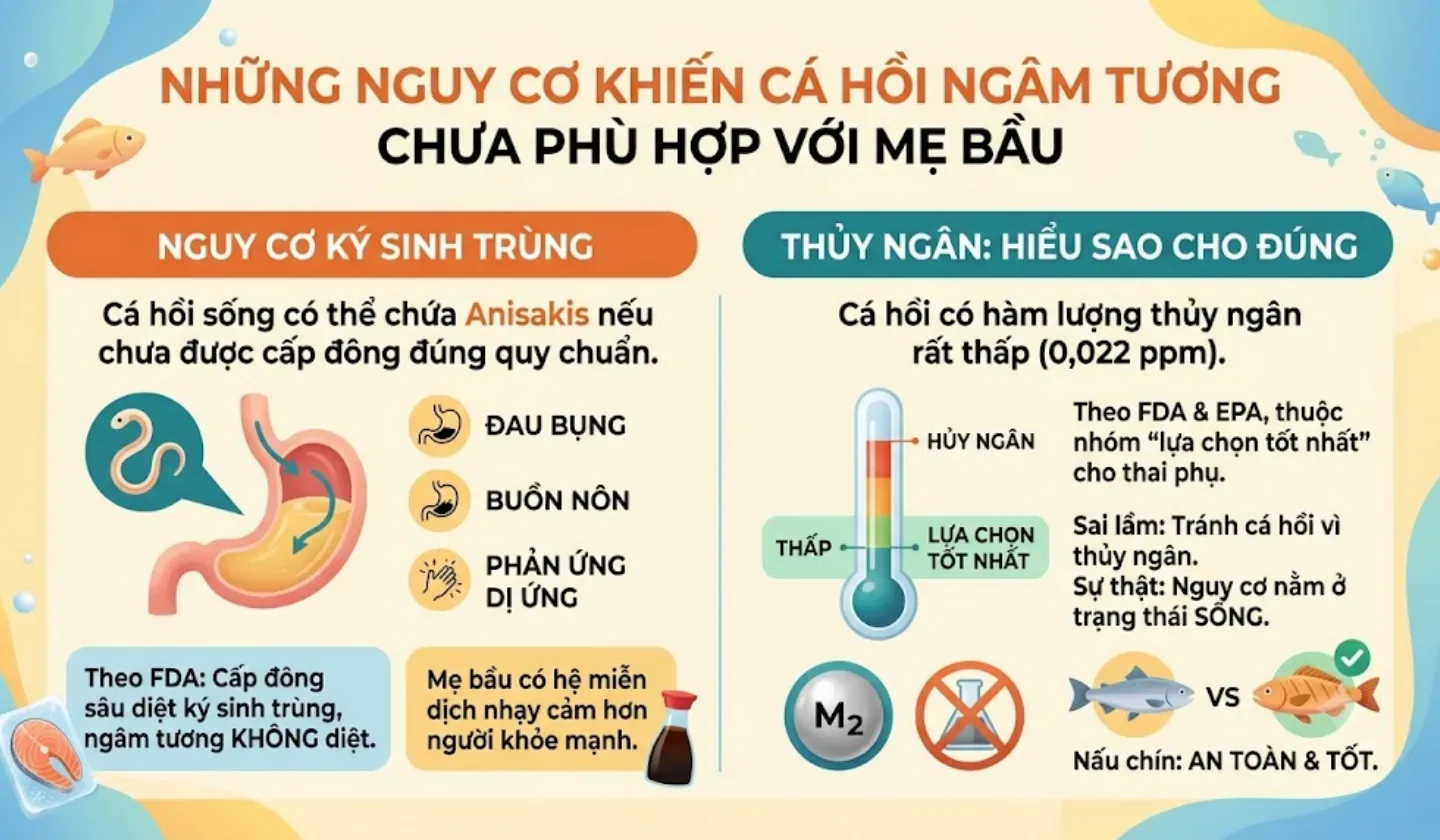 Key reasons why Soy-Marinated Salmon is not recommended during pregnancy
Can you eat Soy-Marinated Salmon after giving birth?
After giving birth, it can still be sensible to prioritize cooked salmon, particularly while your body is recovering. Cooked salmon provides protein and omega-3 fatty acids without the additional food-safety considerations associated with raw seafood.
If you are breastfeeding, maintaining good food-safety practices remains important. Foodborne illness can make you unwell and make caring for your baby more difficult, so choosing properly prepared food from reliable sources is always worthwhile.
Once you have recovered after childbirth, whether and when to reintroduce raw seafood can depend on your individual health circumstances. If you have any concerns, particularly during the early postpartum period, speak with your doctor before returning to raw seafood.
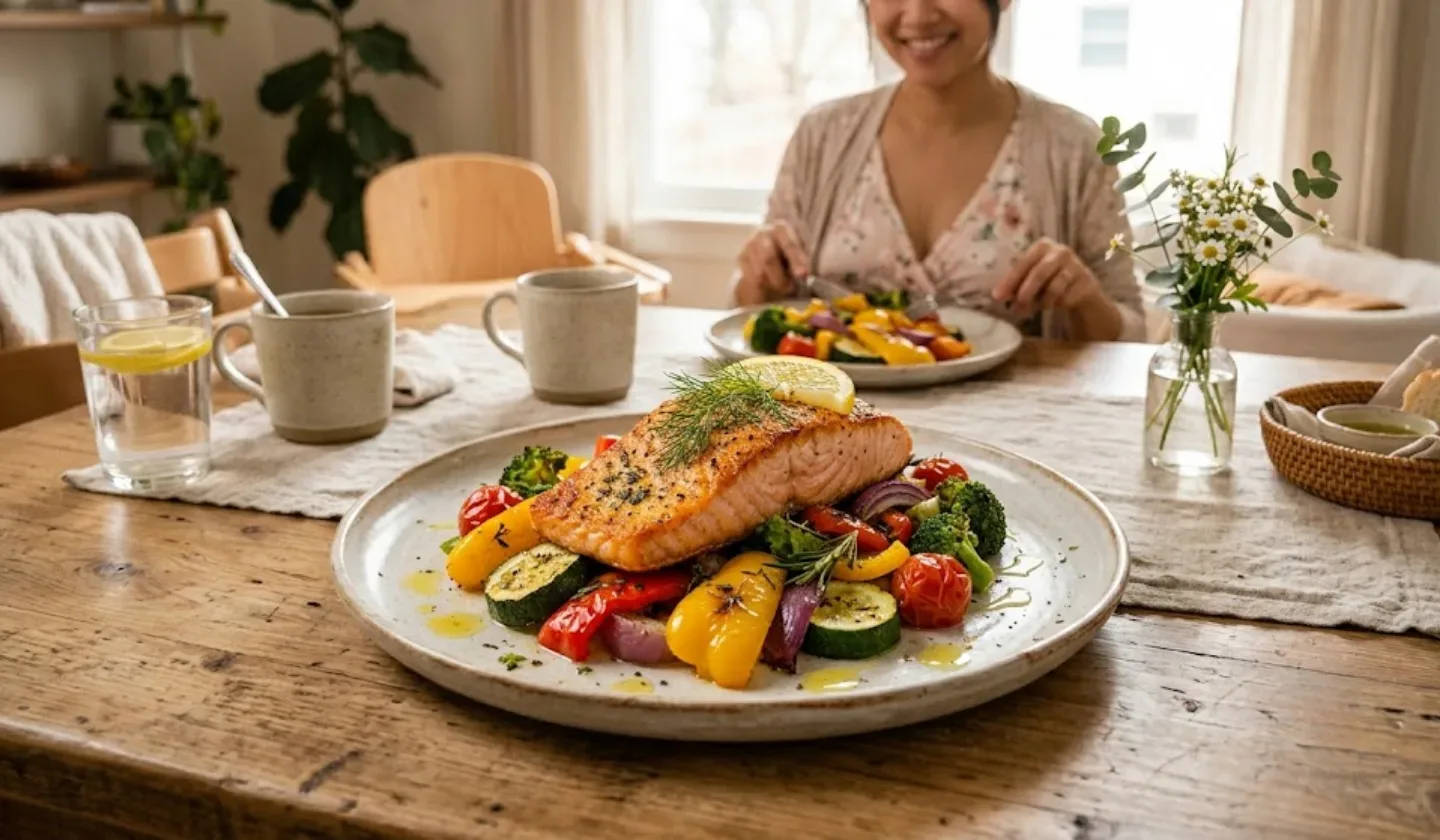 Pan-seared salmon with vegetables for postpartum mothers
What should you keep in mind while breastfeeding?
When breastfeeding, focus on three basics: choose properly cooked fish, buy from reliable sources, and keep portions balanced. Eating low-mercury fish such as cooked salmon 2–3 times per week can help provide nutrients including DHA.
If you are unsure about eating raw seafood while recovering after childbirth, speak with your healthcare professional for advice based on your individual health.
How should pregnant women eat salmon safely and nutritiously?
Pregnant women should choose fully cooked salmon to enjoy its Omega-3 fatty acids and other nutrients while minimizing the risks associated with raw fish. Properly cooked salmon retains valuable nutrients and is one of the more pregnancy-friendly ways to enjoy fish.
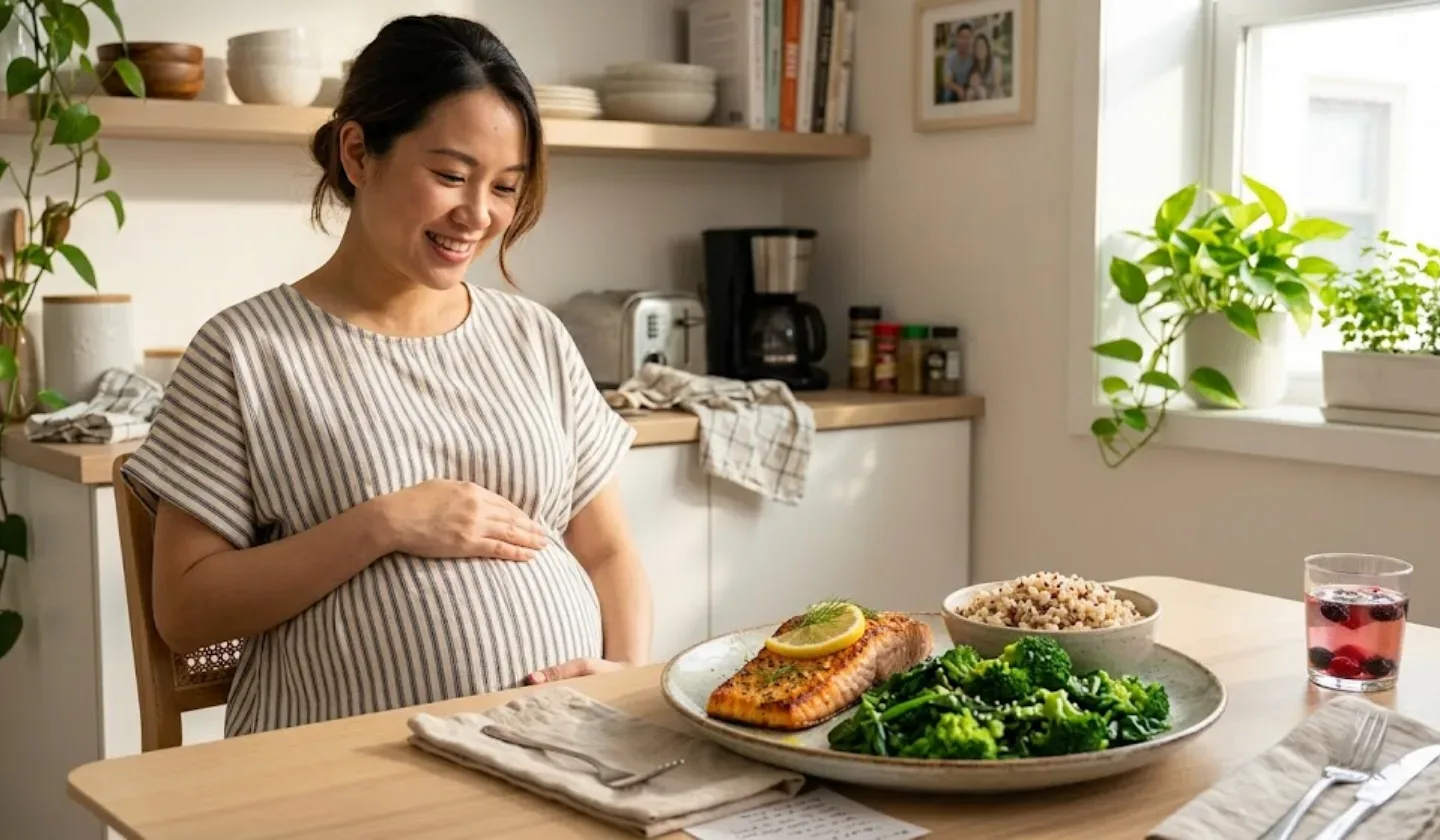 Pregnant women can enjoy fully cooked salmon with plenty of fresh vegetables
DHA and omega-3 benefits of cooked salmon
Cooked salmon is rich in DHA, an Omega-3 fatty acid that plays an important role in fetal brain and eye development. Salmon is a nutrient-dense oily fish and an excellent way to include Omega-3 fatty acids in a balanced pregnancy diet.
How much salmon is recommended per week?
According to FDA and EPA guidance, pregnant women should eat 2–3 servings, or around 8–12 ounces (approximately 226–340g), of lower-mercury fish per week. Salmon is included among the recommended “Best Choices.”
Rather than eating the entire amount at once, spread your fish intake across different meals during the week as part of a varied diet.
When can you enjoy Soy-Marinated Salmon again?
After pregnancy, you may be able to return to Soy-Marinated Salmon once you have recovered and feel ready to reintroduce raw seafood. There is no universal postpartum date that applies to everyone, so if you have health concerns or are unsure whether raw fish is appropriate for you, check with your doctor first.
A little extra caution during pregnancy is a worthwhile trade-off for greater peace of mind. Your favorite rich, tender Soy-Marinated Salmon can wait until the time is right.
You may also be interested in: Is Soy-Marinated Salmon healthy and safe to eat?
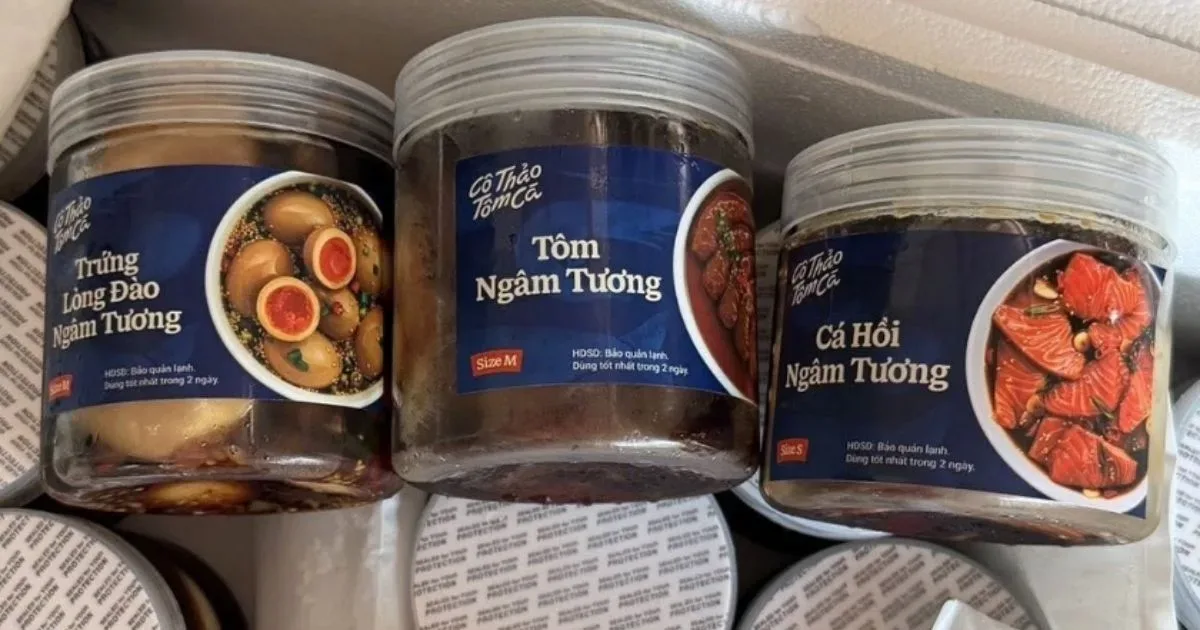
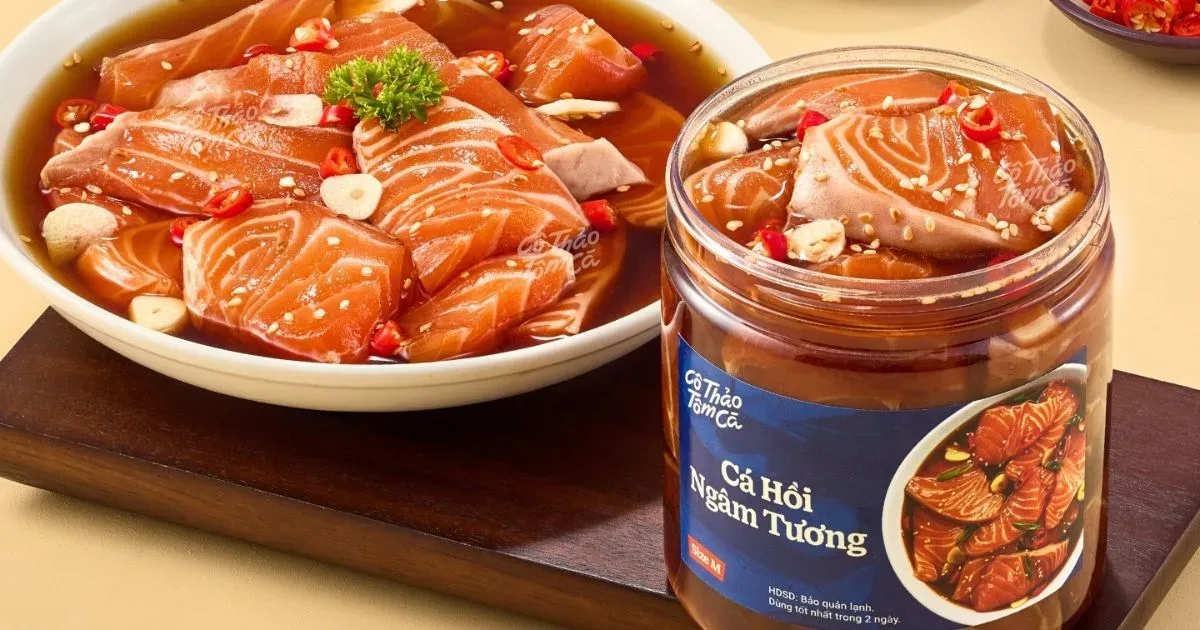
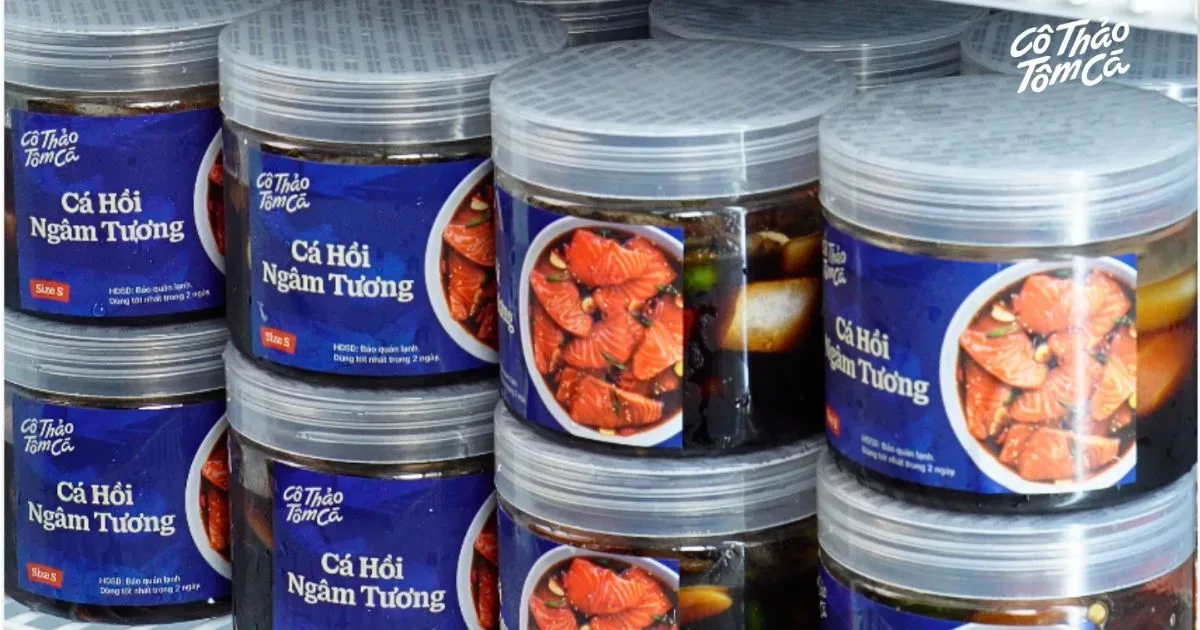
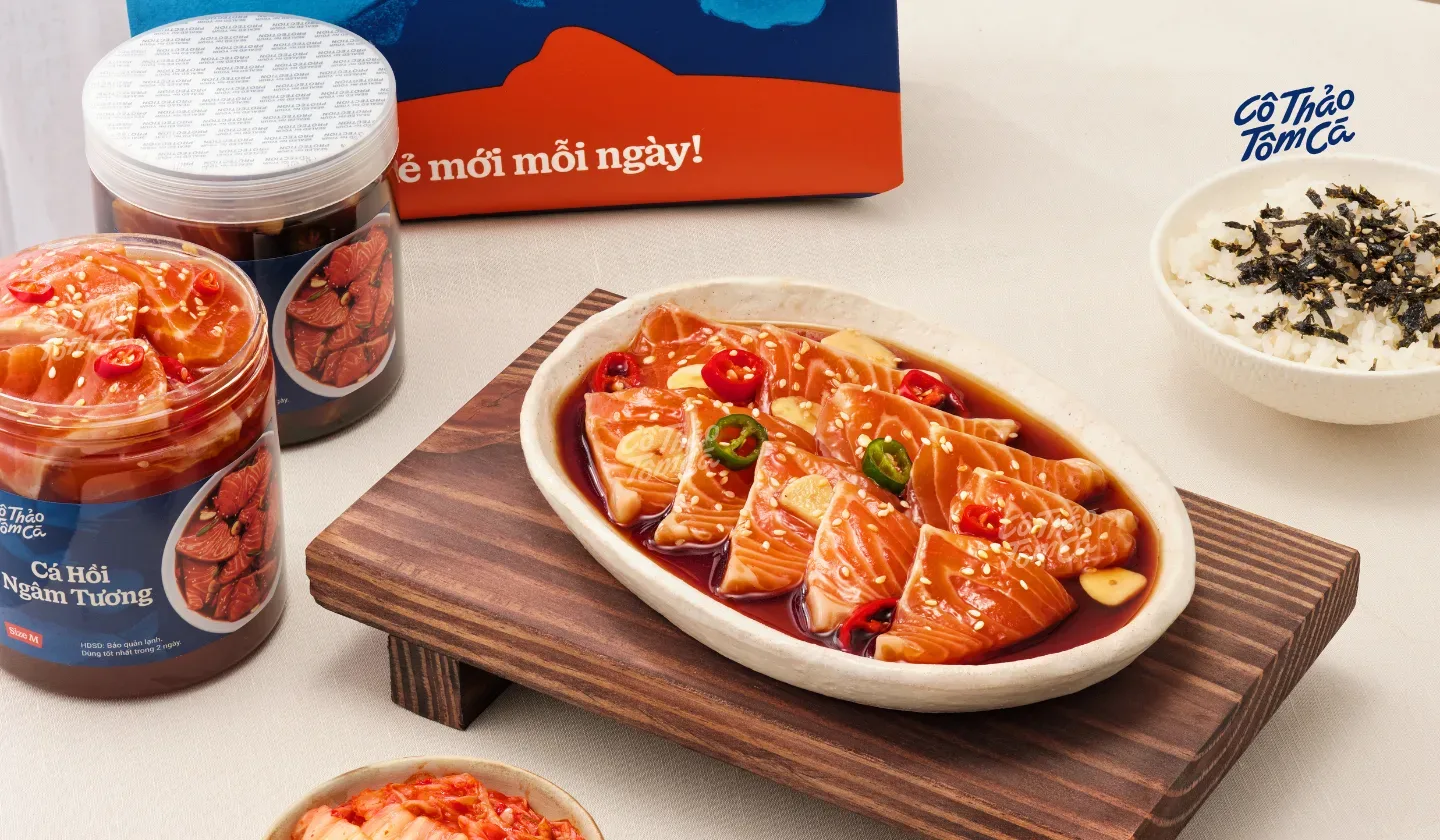 Soy-Marinated Salmon
Frequently asked questions
1. What if I accidentally ate Soy-Marinated Salmon while pregnant?
If you ate Soy-Marinated Salmon once and have no symptoms, do not assume that you will become ill. Monitor how you feel and contact your obstetrician or healthcare provider for advice based on your individual situation.
Seek medical advice promptly if you develop concerning symptoms such as fever, persistent vomiting or diarrhea, or significant abdominal pain. Your healthcare provider can advise you on whether further assessment is necessary.
2. Is Soy-Marinated Salmon safer than sashimi during pregnancy?
Soy-Marinated Salmon and salmon sashimi are both raw fish dishes, so marinating does not make Soy-Marinated Salmon equivalent to cooked fish from a food-safety perspective. Soy sauce adds flavor and changes the texture of the salmon, but it does not replace proper cooking as a method of killing harmful microorganisms.
For that reason, pregnant women are generally advised to choose fully cooked salmon rather than either dish.
So, can pregnant women eat Soy-Marinated Salmon? During pregnancy, the safer choice is to skip the raw version and enjoy fully cooked salmon instead. The same principle applies whether you are four months pregnant or at another stage of pregnancy.
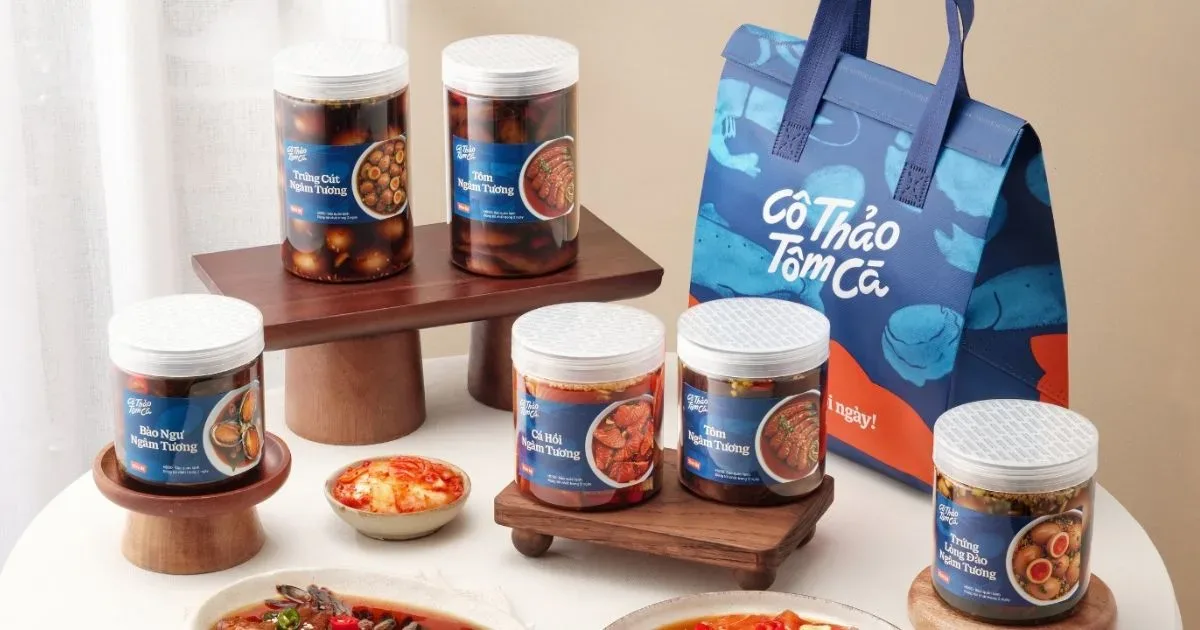
At Co Thao Tom Ca, we understand that sometimes taking care of yourself means saving a favorite dish for later. When the time is right for you to enjoy raw seafood again, our Soy-Marinated Salmon will be here, prepared with carefully selected salmon and fresh daily batches. In the meantime, family and friends can still order their favorites to enjoy at home.
CO THAO TOM CA - EVERY CARE, EVERY BITE, EVERY DAY
-
Branch 1: 42/2 Tran Dinh Xu, Co Giang Ward, District 1 (Takeaway)
-
Branch 2: 39 Than Nhan Trung, Ward 13, Tan Binh District (Takeaway)
-
Branch 3: 69A Truong Van Thanh, Hiep Phu Ward, Thu Duc District (Takeaway)
-
Branch 4: 197 Hoang Sa, Tan Dinh Ward, District 1 (Takeaway)
-
Branch 5: 1073 Phan Van Tri, Go Vap District (Takeaway)
-
Hotline: 024.9999.7122
-
Fanpage: Co Thao Tom Ca
-
TikTok: @cothaotomca
-
Also available on: GrabFood, ShopeeFood, BeFood, and Xanh SM